

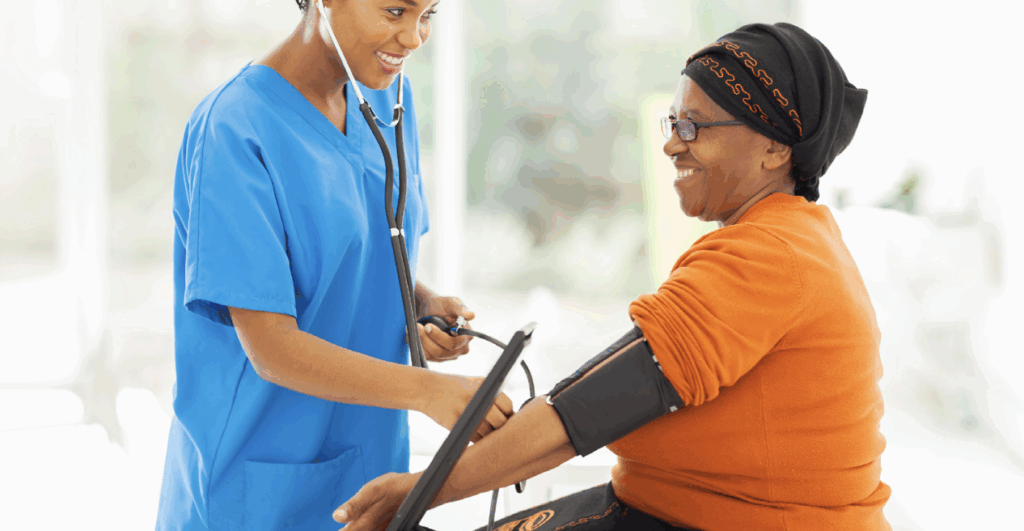
High Blood Pressure
Have you recently been diagnosed with high blood pressure (HBP)? You’re not alone. According to the CDC, one in three U.S. adults have high blood pressure and only half of those have their condition under control.
Many health factors intertwine to cause HBP including: genetics (family history), other conditions such as diabetes and kidney disease as well as lifestyle factors, such as diets too high in sodium and too low in potassium, a lack of physical activity, excessive alcohol and caffeine intake, tobacco use, chronic stress and obesity.
While many medications exist to help control high blood pressure, they do not always work well and can have adverse side effects. Chronic high blood pressure is often referred to as the ‘silent killer’ as there are often no bothersome symptoms, making it easy to ignore. However, if left untreated HBP significantly increases one’s risk of stroke and heart disease. Fortunately, for people willing to be proactive there are many natural ways to lower blood pressure and mitigate the side effects of medication.
6 Tips to reduce your blood pressure
Work less
Working less hours is one of the hardest commitments for Americans for multiple reasons. According to a study done
by the University of California, Irvine, those who worked more than 41 hours a week had an increased risk of hypertension by 15 percent. Try to stick to 40 hours a week in the office. Take advantage of those vacations days when you can, you deserve it!
Drink less caffeine
A study done by Duke University Medical Center found that consuming around three cups of coffee has a lasting effect on blood
pressure. Caffeine tightens blood vessels, which results in an increase in blood pressure. When caffeine increases blood flow, it magnifies the feelings of stress you are probably already feeling. Try to cut down on the coffee and turn to decaf.
Pay attention to what you eat
Try to increase your fiber intake with foods such as fruits, vegetables, whole grains and legumes. Fiber found in these foods can help lower your LDL (bad cholesterol). Add more omega-3 fatty acids to your diet. Omega-3s are good for your health for a number of reasons. They can be found in fish oil, flaxseed oil, as well in salmon and other fatty fishes. They are also known to help lower your cholesterol.
Tune in
Researchers at the University of Florence in Italy found that listening to calming music
for 30 minutes daily can help lower blood pressure. Listeners who practiced this daily on top of deep breathing lowered their average systolic reading by 3.2 points. Taking the time every day to listen to music and relax is simple and effective.
Acupuncture
Acupuncture is an effective natural treatment for hypertension.
A new study has shown that acupuncture may help patients with HBP lower their risk of stroke and heart disease. Done at the University of California Irvine and published in the Medical Acupuncture Journal, researchers found that electroacupuncture reduced blood pressure for up to 6 weeks for patients with hypertension. The study found
that 70 percent of the patients who received acupuncture treatment reported a significant decrease in blood pressure. Senior author and cardiologist John Longhurst concluded that acupuncture treatment can help lower the risk of stroke, heart failure, and peripheral artery disease.
Massage therapy
Massage therapy is well known for reducing stress and hypertension. A study done at
the Wirral Metropolitan College Department of Medicine found that patients experienced less muscle tension and a lower heart rate after massage therapy treatment. Massage is non invasive and not only relaxes the body, but the mind as well.
Lowering your blood pressure is not something that happens overnight. Sticking to a healthy diet and exercise plan and finding a natural treatment that works for you can help you get back on the road to health and reduce stress and hypertension.
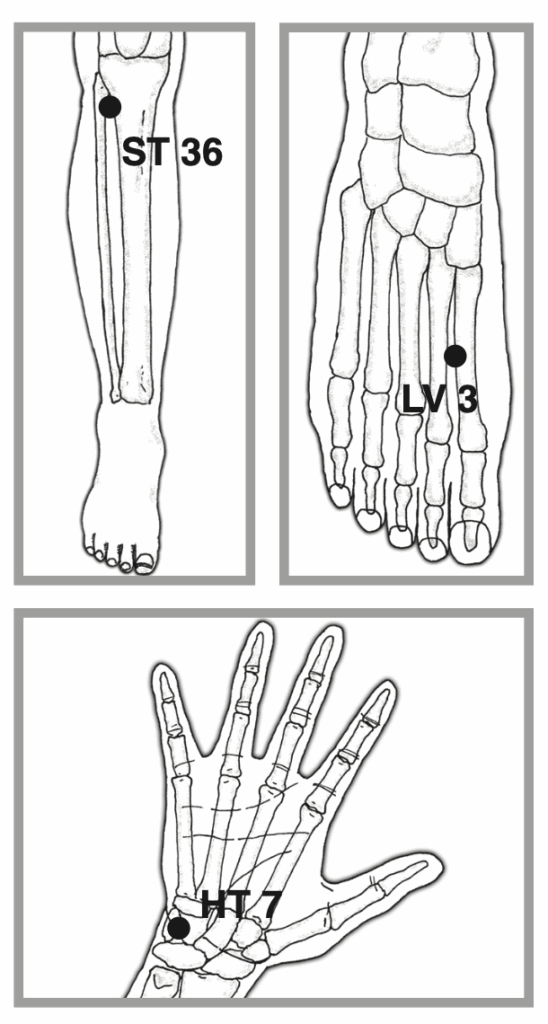
Acupressure Points
Rubbing acupuncture points with your finger for 30 – 60 seconds can stimulate and promote the circulation of Qi within your own body, restoring health and well-being.
Stomach 36 (ST 36): On the outside of the leg, approximately one hand-width below the kneecap, just off the bone. Functions: Strengthens the Spleen, harmonizes the intestines and clears food stagnation, stops vomiting, regulates Qi and Blood, transforms phlegm, enhances immune function, breaks up blood stagnation in the chest.
Heart 7 (HT 7): With palm facing up, on the inside of the wrist, on the little finger side of the crease where the hand meets the wrist. Functions: Calms the Shen (Spirit), clears the channels and sedates the regulatory function of internal organs.
Liver 3 (LV 3): On the top of the foot, in the depression between where the first and second metatarsal bones meet. Functions: Used for headaches, painful and/or blurry eyes, depression, inflammation and pain of toes, ankle, and lower leg. Lowers blood pressure and plasma endothelin-1 levels.
© 2020, 2022 Copyright Acupuncture Media Works/AcuDownloads, All Rights Reserved. The information contained within this newsletter is only used to educate and inform. This newsletter is not a substitute for the advice of a licensed and registered health care provider. Seek prompt attention for emergencies. Consult a health care provider for specific health concerns, and before starting a diet, cleanse or exercise routine.
Photo Credits: ©iStock.com/elenabs, ©iStock.com/andresr, ©iStock.com/mariakraynova