Healthy Eating for Winter

Traditional Chinese Medicine (TCM) views things differently than other medical systems. In TCM, there are guidelines that are considered very logical when it comes to the seasons. These guidelines lay out what foods and activities are best for each season of the year. Chinese medicine teaches us to live in harmony with the seasons. In TCM, there are actually five seasons – summer, late summer, fall, winter, and spring. Every season has many associations which help guide people to create a more balanced life. When TCM was being developed, people lived in harmony with nature and they lived healthy, balanced lives. In modern society, we have gotten away from our connection with nature and we have many more distractions that have ultimately led us to become unbalanced and unhealthy.

Winter represents the most yin aspect of Chinese medicine. The properties associated with yin include darkness, cold, slow movement, and inward energy. Winter is associated with the kidneys in TCM. The kidneys hold the body’s fundamental energy or Qi. By balancing ourselves with the corresponding seasons, we can prevent disease and stay healthy. So for the season of winter, we should take note of what happens in nature and do the same. To keep the kidneys strong, we must rest. This is why many animals hibernate during the winter. It is also a time to reflect inward and perform activities such as meditation, tai chi, and qigong. These are the kinds of practices that help us connect with our inner selves and also support kidney energy. 
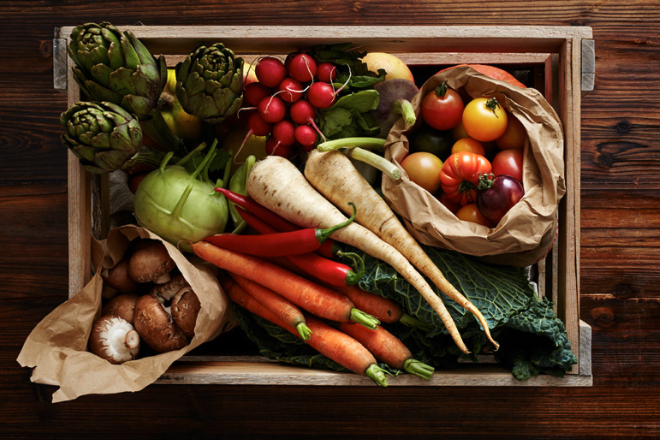
When it comes to foods most beneficial for the body during the winter months, there are many to choose from. These should also be ones that naturally grow during this season.  Items such as squash, potatoes, pumpkin, sweet potato, cinnamon, nutmeg, cardamom, beets, greens, carrots, mushrooms, apples, pears and cabbage. During the winter months, cold foods like salads and raw foods should be avoided as they will deplete the immune system. Instead, our bodies need warming foods like soups made with hearty vegetables. Bone broth is also very beneficial and becoming more mainstream. There are also foods that specifically target and nourish the kidneys. These include kidney beans, beef, goose, duck, black beans, lamb, chicken, dark leafy greens, garlic, ginger, walnuts, watercress and turnips. Sea salt is also helpful. Salty is the taste associated with the kidneys. But as with anything, moderation is key. Too much salt can actually tax the heart, which then causes the kidneys to work overtime.

You should cook for longer periods of time and on low heat with less water, so things like stews are perfect for this time of year. The longer cooking times will infuse the foods with more heat, which will help keep the body warm. It is recommended to bake, roast, stew, and slow-cook foods in the winter. Hearty soups, roasted nuts and whole grains should be consumed when possible because they offer nourishment that feeds the body as well as the kidneys specifically.

By taking cues from nature and ancient healing practices, better balance can be achieved and health can be maintained. Those that went before us may not have known everything, but they did know how to survive, or we would not be here today. Trusting the teachings of our ancestors will allow us to continue to survive also.

Ingredients:

Good beef stock must be made with several sorts of bones: knuckle bones and feet impart large quantities of gelatin to the broth; marrow bones impart flavor and the particular nutrients of bone marrow; and meaty rib or neck bones add color and flavor.

  • 4 lbs Beef marrow & knuckle bones
  • 1 calves foot, cut into pieces (optional)
  • 3 lbs meaty rib or neck bones
  • 4 or more quarts of cold filtered water
  • 1/2 cup vinegar
  • 3 onions, coarsely chopped
  • 3 carrots, coarsely chopped
  • 3 celery sticks, coarsely chopped
  • several springs of fresh thyme, tied together
  • 1 tsp dried green peppercorns, crushed
  • 1 bunch parsley

Instructions:

  1. Place the knuckle and marrow bones and optional calves foot in a very large pot with vinegar and cover with water. Let stand for 1 hour. 
  2. Meanwhile, place the meaty bones in a roasting pan and brown at 350 degrees in the oven. When well browned, add to the pot along with the vegetables. Pour the fat out of the roasting pan, add cold water to the pan, set over a high flame and bring to a boil, stirring with a wooden spoon to loosen up coagulated juices. Add this liquid to the pot.
  3. Add additional water, if necessary, to cover the bones; but the liquid should come no higher than within one inch of the rim of the pot, as the volume expands slightly during cooking. 
  4. Bring to a boil. A large amount of scum will come to the top, and it is important to remove this with a spoon. After you have skimmed, reduce heat and add the thyme and crushed peppercorns.
  5. Simmer stock for at least 12 and as long as 72 hours. Just before finishing, add the parsley and simmer another 10 minutes. 
  6. You now have a pot of rather repulsive-looking brown liquid containing globs of gelatinous and fatty material. It doesn’t even smell particularly good. but don’t despair. After straining, you will have a delicious and nourishing clear broth that forms the basis for many other recipes. 
  7. Remove bones with tongs or a slotted spoon. Strain the stock into a large bowl. Let cool in the refrigerator and remove the congealed fat that rises to the top. Transfer to smaller containers and to the freezer for long-term storage.

Share this